As an economical mode of transportation for the first leg logistics, FBA sea transportation has been welcomed by the majority of sellers. The following is an introduction to the basic concepts, advantages and disadvantages, cost composition and operation process of FBA shipping.
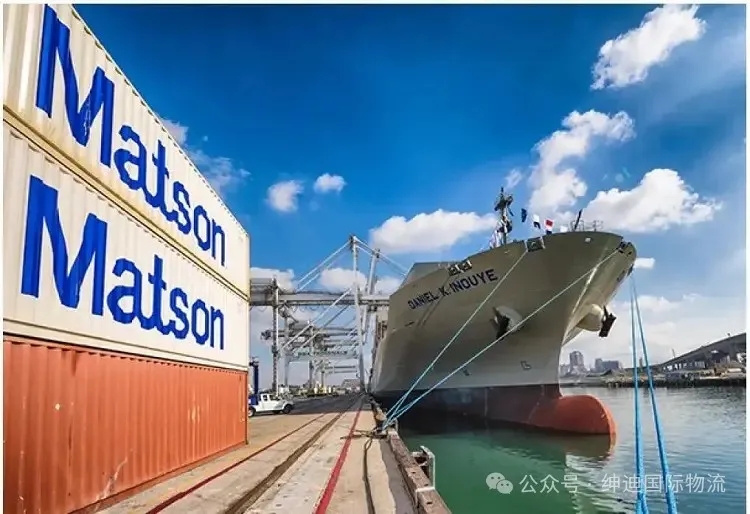
First, the basic concept of FBA shipping
FBA shipping refers to the service of shipping goods from the seller's location to an Amazon warehouse by sea. This mode of transport is usually suitable for bulk or heavy goods. FBA shipping is mainly divided into two modes: shipping expedited delivery (Haikuai) and shipping plus truck (Haika). Haikuai means that the goods are transported to the port of the destination country by sea, and then sent to the Amazon warehouse by express companies; Haika, on the other hand, sends the goods to the port of the destination country by sea, and then sends the goods directly to the Amazon warehouse by truck.
2. Advantages and disadvantages of FBA shipping
Advantages:
1. Low transportation costs: Compared with FBA air and express packages, FBA sea freight costs are lower, especially suitable for the transportation of bulk goods.
2. Large capacity: Sea transport can carry a large number of goods to meet the needs of sellers for mass delivery.
3. Low limit: 10KG shipping, can receive long, large products, commercial, private address can be delivered across the United States.
Cons:
1. Long transportation time: Sea transport usually takes weeks or even months, which may not be suitable for goods that are in urgent need of replenishment or have a short sales cycle.
2. There are certain shipping requirements: shipping usually needs to meet certain shipping requirements, which may not be friendly to sellers who ship in small batches (at present, Amazon configuates a warehouse with a new regulation of 10kg, for small sellers, but less than 10kg of goods still need to be calculated by 10kg freight).
3. High requirements for the early work: such as label scanning, packaging standards, etc., require the seller to be fully prepared before delivery.
Iii. Composition of FBA shipping expenses
FBA shipping costs mainly include the following aspects:
1. Port miscellaneous charges: including handling charges, storage charges and other charges related to port operations.
2. Sea freight: Sea freight calculated according to the weight, volume and distance of the goods.
3. Customs declaration fee: the fee for the import and export customs declaration of goods.
4.ISF FILING FEE and SINGLE BOND fee: This is the fee required for customs clearance for imports into the United States, and the specific amount depends on the value and quantity of the goods.
5. Delivery fee: The cost of sending the goods from the port to the Amazon warehouse, including the cost of truck freight or other transportation methods.
6. Import duties: Import duties calculated according to the type and value of goods.
It should be noted that these fees may vary depending on the specific route, port, cargo type and other factors, and sellers need to consult the logistics company for detailed fees when choosing FBA Marine services. For customers who choose the tax channel, the above freight is included in the FBA shipping fee, while for customers who choose the self-tax channel, the customs declaration fee, customs clearance fee, customs duties, etc., need to be paid separately.
Iv. FBA shipping operation process
The operating process of FBA shipping is roughly as follows:
The seller will send the goods to the warehouse of the logistics company, and the logistics company is responsible for the packaging and labeling of the goods.
The logistics company arranges for shipping the goods to the port of destination.
After the goods arrive at the port of destination, the logistics company is responsible for customs clearance procedures.
After customs clearance is completed, the logistics company will choose Haikuai or Haika to send the goods to the Amazon warehouse according to the specific situation of the goods.
After receiving the goods, the Amazon warehouse will accept them and put them on sale.
In the entire operation process, the seller needs to pay attention to the requirements of the shipping bill of lading, the arrangement of the truck, and the steps of customs clearance, appointment and delivery. Ensure that goods are delivered smoothly and safely to Amazon warehouses so that they can be put on sale in a timely manner.
FBA Sea Freight, as an affordable mode of transportation, provides sellers with more choices and possibilities. However, when choosing and using FBA Marine services, sellers need to fully understand the advantages and disadvantages, cost structure and operational processes in order to make an informed decision.