When shipping Amazon FBA, merchants need to carefully consider several aspects to ensure smooth and efficient delivery. First, focus on inventory management, ensuring adequate inventory and complying with Amazon's inventory performance and quantity limits. Secondly, the package size and weight should meet the requirements of the site, and the overweight goods should be labeled accordingly. In the choice of packaging materials, the use of prohibited materials should be avoided, and durable boxes should be selected. Labels and barcodes must be correctly attached, including FNSKU product labels, carton labels and origin labels. The delivery plan must be consistent with the actual delivery quantity to avoid misoperations during shipment by warehouse. Finally, it is also necessary to pay attention to the treatment of unsalable inventory, adjust the inventory strategy reasonably according to the change of storage fees, and consider the removal of warehouse, change of label or abandonment of goods when necessary. These points provide comprehensive guidance for Amazon FBA shipments, helping merchants improve operational efficiency and customer satisfaction.
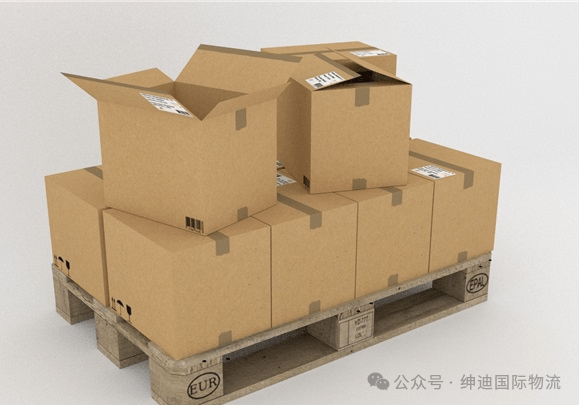
Things to pay attention to when shipping Amazon FBA can be summarized as the following points:
1. Inventory management:
Ensure the quantity of storage is sufficient to avoid exceeding the delivery limit.
Learn about Amazon Logistics Inventory Performance (IPI) and product entry limits.
2. Package size and weight:
The outer box size must not exceed the specified limit (63.5cm in the United States).
The weight of a single product should meet the requirements of the site (22.5kg in the United States).
If you are overweight, you should attach the corresponding "Team Lift" or "Mech Lift" label.
3. Packaging materials:
Avoid using prohibited packing materials, such as packing tape and nylon fiber tape.
Choose a sturdy case to prevent damage in transit.
4. Label and bar code:
Properly attach FNSKU product label and carton label.
Make sure the origin label "Made In China" is clearly visible.

5. Delivery plan and quantity:
The planned delivery quantity must be consistent with the actual delivery quantity.
Avoid sending only one warehouse and then deleting the shipment plan of other warehouses in the case of split warehouse.
6. Handling of unsalable inventory:
Pay attention to changes in storage fees during high and low seasons.
For unsalable inventory, consider closing the warehouse, changing the label or discarding the goods.